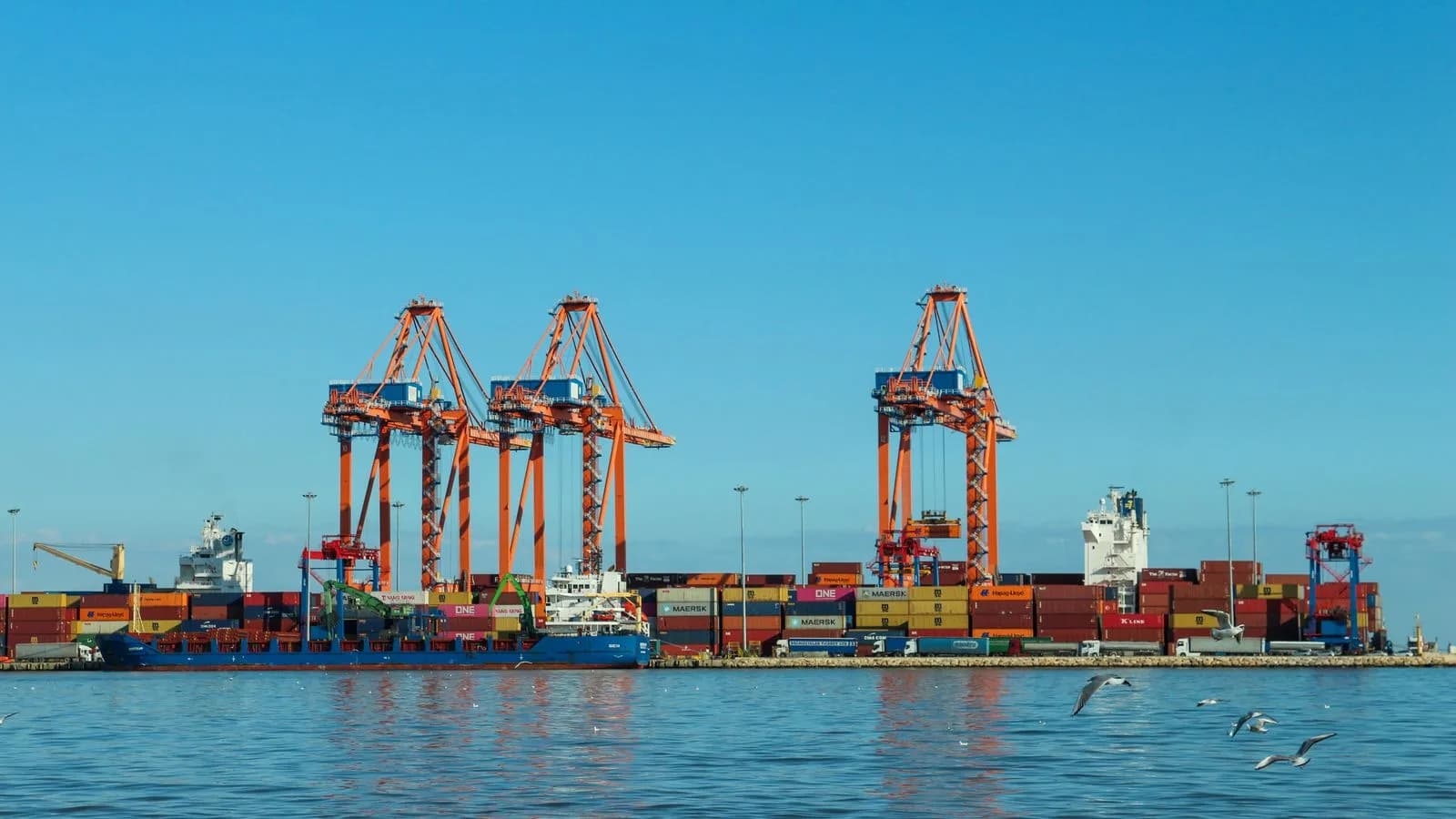
Turkey''s apparel exports came in around 16.8 billion dollars in 2025, a contraction of more than 6 percent on the previous year. A tightening market makes buyers selective, and a selective buyer''s first filter is the catalog: a chain or wholesaler abroad decides without seeing you or touching the product, often by laying ten Turkish suppliers'' catalogs side by side in the same week. This article explains how to build an export catalog and its imagery for the foreign buyer.
Models and scenes by market
The same product sells with different models in different markets. European buyers expect plain studio frames and natural-looking models; Gulf and Middle Eastern buyers want modest-compatible presentation and elegant interiors; Russia and Eastern Europe are used to more pronounced fashion shoots; African markets favor color vibrancy and range. Trying to serve every market with one shoot means being average in all of them.
Producing that variety with real shoots is slow and expensive. An AI virtual model carries special value for exporters here: the same product is regenerated in minutes with model profiles and scenes matched to the target market; a modest-compatible model in the Gulf catalog, a studio frame in the European one. The finer points of modest presentation are in the modest fashion photography guide.
Multilingual catalogs: English required, market language an edge
An English catalog is the baseline; adding the target market''s language (Russian, Arabic, German) cuts the buyer''s workload and raises your odds. The most common translation errors are technical terms: have fabric names, weight units and care instructions translated with industry terminology; machine translation gets linen right but does not always get grams per square meter right.
Sizes and measurements: translate into the buyer''s system
Local size systems mean nothing abroad. Every product needs a size table with EU, UK and US equivalents alongside garment measurements (chest, waist, length). A wholesale buyer''s biggest fear is a container arriving with the wrong size breakdown; the measurement table dissolves that fear at the catalog stage.
The technical info block: export buyers want detail
- Fabric composition and weight (for example 100 percent cotton, 180 GSM).
- Minimum order quantity (MOQ) and pack structure.
- Color options with a color range frame (color range guide).
- Lead time and sample terms.
- Certification symbols where held (organic, recycled, social compliance).
Trade fairs and B2B platforms: one catalog, different doors
At a fair the printed catalog sits on the stand, but the real work is in the QR code: buyers scan it while touring, take the digital catalog home on their phones and order from it after returning. On B2B platforms (international sourcing sites, sector marketplaces) image rules resemble marketplaces: a plain main frame, on-model frames as extras. Build the catalog from the start to work across all three channels; the formats differ, the images stay the same.
Image quality means trust
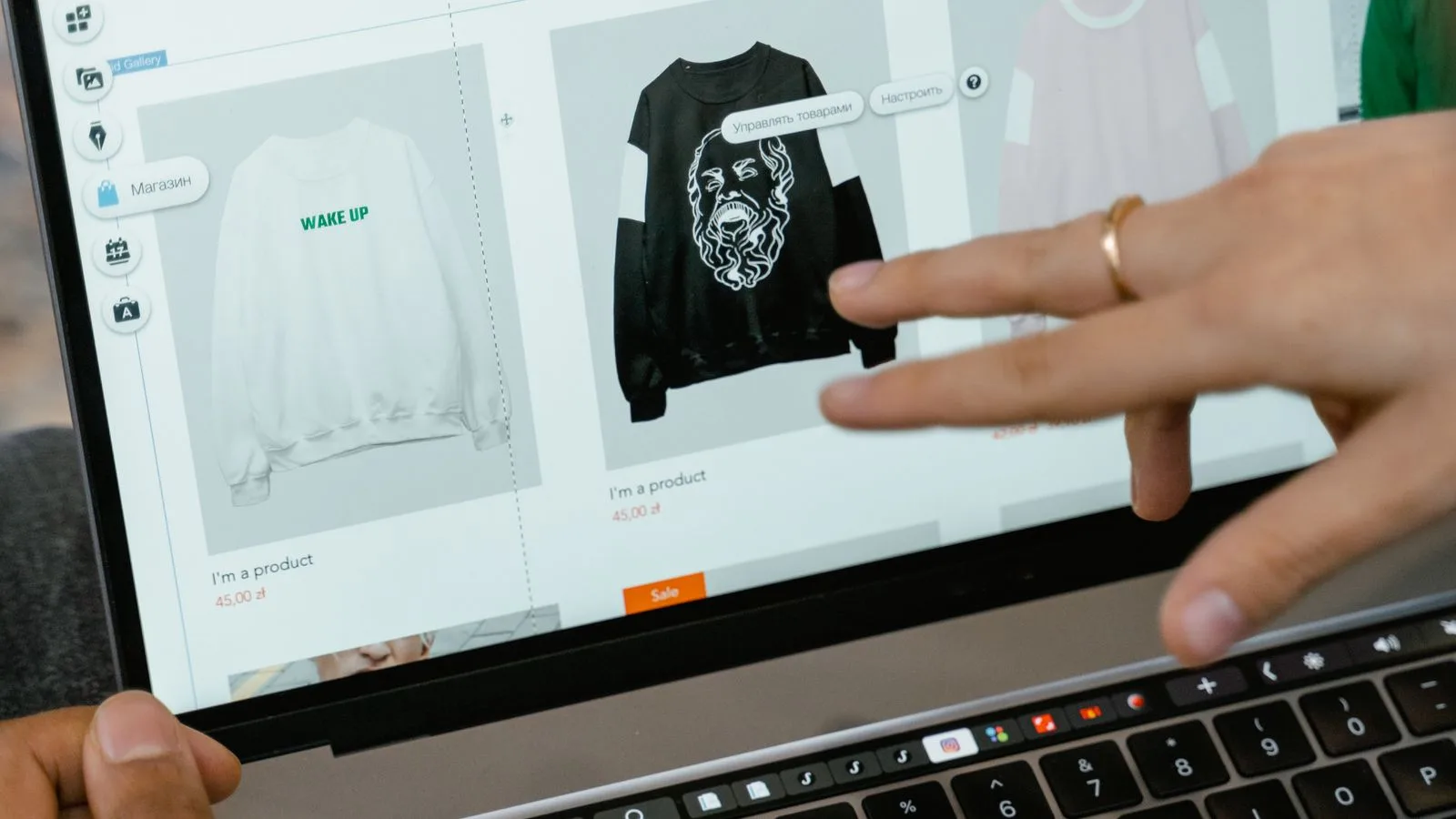
Foreign buyers never see your factory; they take the quality of your catalog as a proxy for the quality of your production. Blurry, inconsistently lit, collaged catalogs signal a careless manufacturer. The same background, light and framing discipline throughout (a consistent visual language) and marketplace-grade clean frames lay the first stone of trust before a single sample ships. The general catalog framework is in the wholesale catalog guide.
Export catalog checklist
- Models and scenes chosen per target market?
- English complete, market language added, technical terms correct?
- EU/UK/US size table and garment measurements on every product?
- Fabric, weight, MOQ, lead time and color range in the info block?
- QR-coded digital catalog ready for fairs and B2B?
In a contracting export market the difference shows in the catalog before the price list. A product presented in the buyer''s language, in the buyer''s sizes and with a model suited to the buyer''s market sells more containers at the same price.
Frequently Asked Questions
What languages should an export catalog have?+
English is the required baseline; adding the target market''s language (Russian, Arabic, German) raises your odds. Fabric names, weight units and care instructions must be translated with industry terminology.
Do different markets need different model imagery?+
Yes. Europe expects plain studio frames, the Gulf modest-compatible presentation, Eastern Europe more pronounced fashion shoots. AI virtual models regenerate the same product with market-matched models and scenes in minutes.
What technical information belongs in an export catalog?+
Fabric composition and weight, EU/UK/US size table with garment measurements, minimum order quantity and pack structure, color range, lead time, sample terms and any certifications.
How is Turkey''s apparel export performing?+
According to IHKIB data, apparel and garment exports came in around 16.8 billion dollars in 2025, a contraction of more than 6 percent on the previous year; buyer selectivity is rising.