
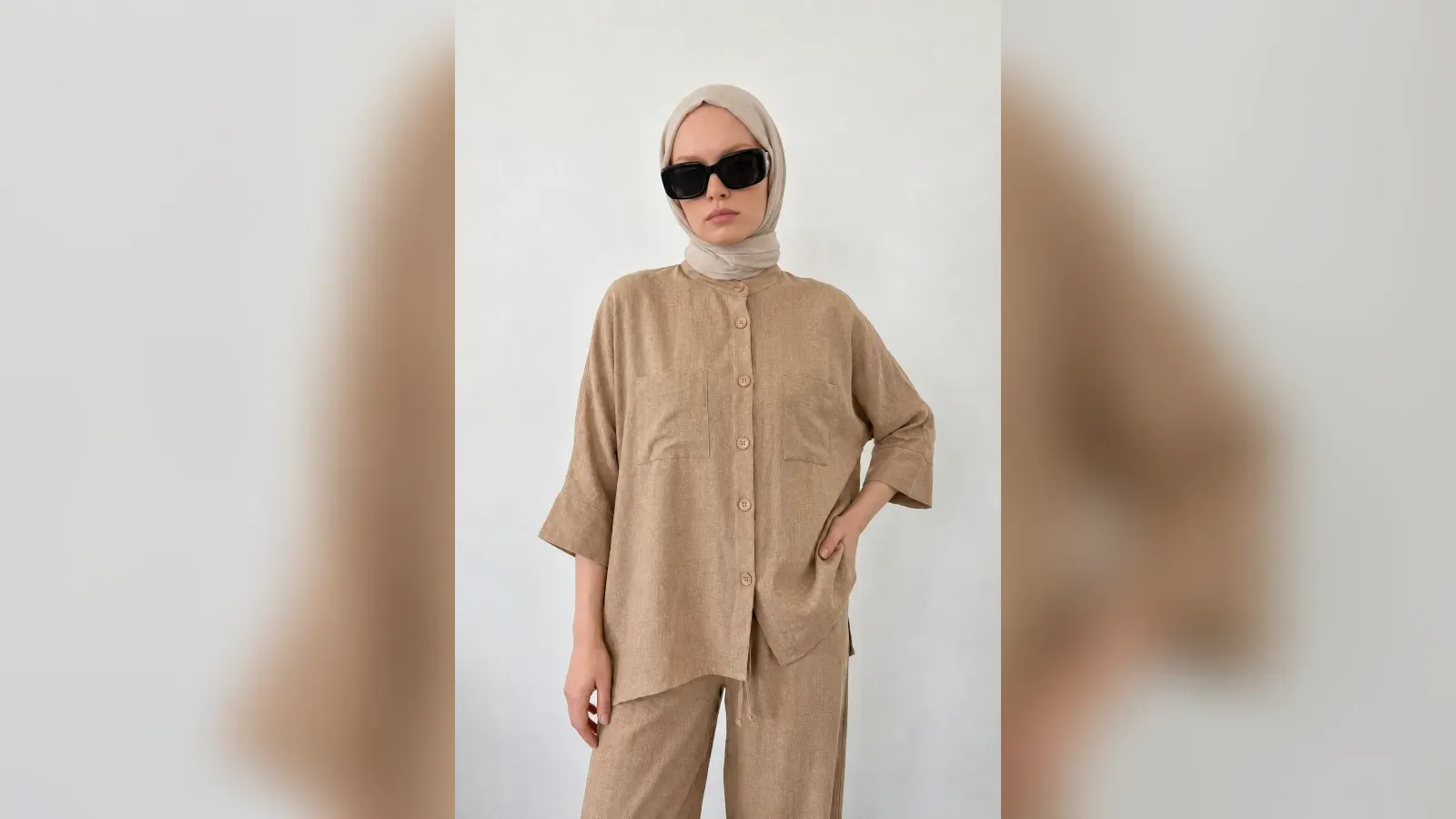
A wholesaler''s most expensive mistake is not a bad product; it is unsold stock. Six colors of one style, hundreds of pieces per color, produced before seeing how retailers react; the colors that do not land go to clearance at season''s end. The method that breaks this cycle is not new: pre-orders. What is new is that the imagery needed to collect pre-orders can now come from a single sample, before any production. This article walks through that model.
The problem: buyers do not order unseen, and you cannot show what you have not made
The classic flow: pattern made, samples sewn in every color, samples photographed or shipped to buyers, orders collected, production run. Every step takes weeks, and sewing a sample in every color means sewing and shipping costs. To cut that cost, many wholesalers try selling from fabric swatches alone; buyers, who decide by seeing the product on a body rather than a swatch, order timidly.
The new flow: one sample, the whole collection''s imagery
- 1. Sew one sample in one color. A single correct sample in the lead color is enough; pattern, drape and stitching get finalized on it.
- 2. Shoot the sample''s plain frame. On a hanger or mannequin, steamed, with correct white balance (phone photography guide). This frame is the input for everything.
- 3. Generate on-model images. With an AI virtual model, the product is shown on a realistic model in several poses and scenes within minutes.
- 4. Derive the color variants. The other planned colors are generated on the same model; no need to sew six samples for six colors. Because color accuracy is critical in wholesale, compare each variant against the fabric swatch (color range guide).
- 5. Send the pre-order catalog. Images, pack info and lead time go to buyers via WhatsApp and the catalog (WhatsApp setup).
- 6. Plan production from orders. Produce each color in proportion to the orders it took; colors with no orders are dropped or kept small.
What it earns you
Three things: stock risk (eliminating the colors that do not land before making them), sample cost (one sample instead of six) and time (catalog readiness drops from weeks to a day). The same method works mid-season: when a buyer asks "do you have this style in red", you answer with an image before red exists; if demand shows, you produce it.
The honesty rule: the image is a promise of production
When you sell on pre-order, the image becomes a promise, and production must keep it. Three rules: verify color variants against the fabric swatch and note to buyers that the swatch color governs; produce pattern and fabric identical to the sample; give realistic lead times. A wholesaler who takes orders from images and delivers a different product loses buyers within a season; trust is both the strength and the weak point of this model.
An extra edge in modest fashion
For modest fashion wholesalers, on-model imagery is doubly hard: finding suitable models and organizing a shoot for every color is expensive. AI virtual model systems trained for modest wear preserve scarf styling and coverage rules, so the whole collection''s modest imagery can be generated from one sample; details in the modest fashion photography guide. The cover of this article is a Wearon Modest Fashion Studio frame produced exactly this way.
Getting started
- Pick one style in the next collection; sew the sample in the lead color.
- Shoot the plain frame, generate model and color imagery, verify against swatches.
- Send buyers a pre-order catalog with lead times.
- Produce in proportion to orders; compare the result with last season''s stock carryover.
Selling before producing is not magic; it is a change of order: image first, then orders, then production. The wholesaler who adopts that order spends the end of the season on the next collection, not on counting stock. A demo account is enough to try it with your own sample.
Frequently Asked Questions
Can I take retailer orders before producing a collection?+
Yes. Sew one sample in the lead color, shoot its plain frame, generate on-model images and other color variants with an AI virtual model, send buyers a pre-order catalog with lead times, and plan production from the order mix.
Do I need a sample in every color?+
No. Other colors are derived visually from the lead-color sample; because color accuracy is critical in wholesale, each variant is verified against the fabric swatch and buyers are told the swatch color governs.
What are the risks of this model?+
The image becomes a promise: colors must be swatch-verified, pattern and fabric produced identical to the sample, and lead times realistic. Delivering something different from the image costs buyers.
Does it work for modest fashion wholesalers?+
Yes; AI virtual model systems trained for modest wear preserve scarf styling and coverage rules, so a whole collection''s modest imagery can be produced from a single sample.


