Thousands of boutiques make their first sale not in a store but on Instagram. The reason is obvious: clothing is a visual product and Instagram is a visual storefront. For the same reason, standing out there is hard; everyone posts photos. The difference comes less from the photo than from the strategy around it. This guide builds a clothing account''s visual strategy end to end.
The profile is the storefront, not the post
A new visitor does not see one post; they open your profile, scan the grid as a whole and decide in three seconds: is this a brand or a messy sales account? So the first rule is not post beauty but grid unity: one tone, one backdrop language, one framing ratio. The how-to is in a consistent visual language; Instagram is that article''s hardest exam.
Ratios and technique: small details, big difference
- Posts: 4:5 portrait takes the most feed space. Square looks tidy on the grid but small in the feed.
- Stories and Reels: 9:16 full portrait. When pushing a product frame to stories, overlay the info: price, size range.
- Resolution: long edge at least 1350 pixels; Instagram''s compression does not forgive less.
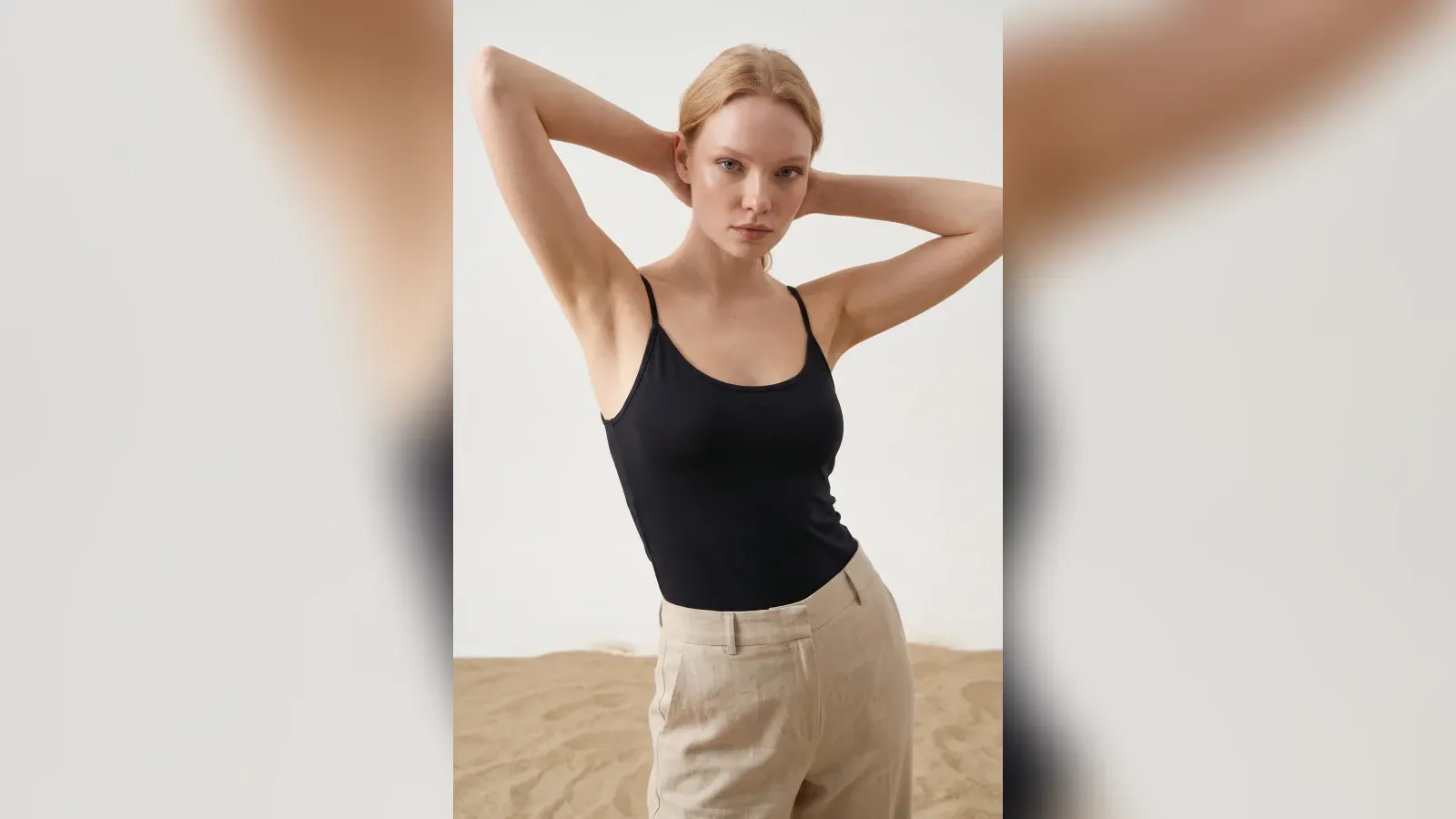
- Face and product balance: on-model frames lift engagement, but the product must stay readable in every frame, never lost behind the pose.
Three formats, three jobs
Posts are the storefront: the collection''s strongest frames in a consistent language. Stories are the counter: daily flow, new arrivals, size questions, polls, the "DM us" nudge. Reels are the magnet: the only format that reaches new audiences, and fabric flow, outfit changes and garments in motion read better in short video than stills. A sustainable rhythm for most boutiques: 3 to 4 posts a week, stories daily, 1 to 2 reels a week. Rhythm matters more than volume.
The path to purchase: cut the friction
- One clear direction in the bio: the site link or "DM to order", not both fighting each other.
- Do not hide prices. "Price in DM" buys engagement at the cost of trust; accounts that state prices get fewer questions and more orders.
- Size range and fabric info in every product caption; your DM load drops.
- Pinned highlights ready: size table, returns policy, customer reviews.
Social proof: customer frames are gold
Photos customers shoot themselves (shared with permission) convince more than studio frames, because they prove expectation equals reality. Ask kindly after delivery, tag the customer when sharing. The loop also cuts your return rate; the full expectation playbook is in the return-rate guide.
The content appetite, and AI
Instagram''s truly exhausting side is its appetite: it wants new frames every week, and building a shoot for every product drains small teams. An AI virtual model is the practical answer: one product photo yields different poses, scenes and colorways, a week of content from a single garment. Mixed with your real shoots and customer photos, both volume and authenticity survive.
The starting checklist
- Does the grid look like one hand from a distance?
- Posts 4:5, stories 9:16, high resolution?
- One bio direction; size/returns/reviews highlights in place?
- Prices and sizes stated openly in captions?
- Is the weekly rhythm sustainable?
Instagram sales come not from one viral frame but from a trustworthy storefront working patiently. Build the storefront, keep the rhythm; the rest compounds.
Frequently Asked Questions
What ratio should clothing posts use on Instagram?+
4:5 portrait for posts (most feed space), 9:16 for stories and reels, long edge at least 1350 pixels. Instagram''s compression visibly degrades anything less.
Should prices go in the caption or in DMs?+
In the caption. Price-in-DM buys short-term messages at the cost of trust; accounts stating prices and sizes openly get fewer questions and more orders.
How often should a boutique post?+
A sustainable rhythm for most: 3 to 4 posts a week, daily stories, 1 to 2 reels a week. Consistency beats bursts, both for the algorithm and the storefront look.
How do small teams keep up with the content volume?+
By generating pose, scene and colorway variations from one product photo with an AI virtual model: a week of content from one garment, mixed with real shoots and permitted customer photos.