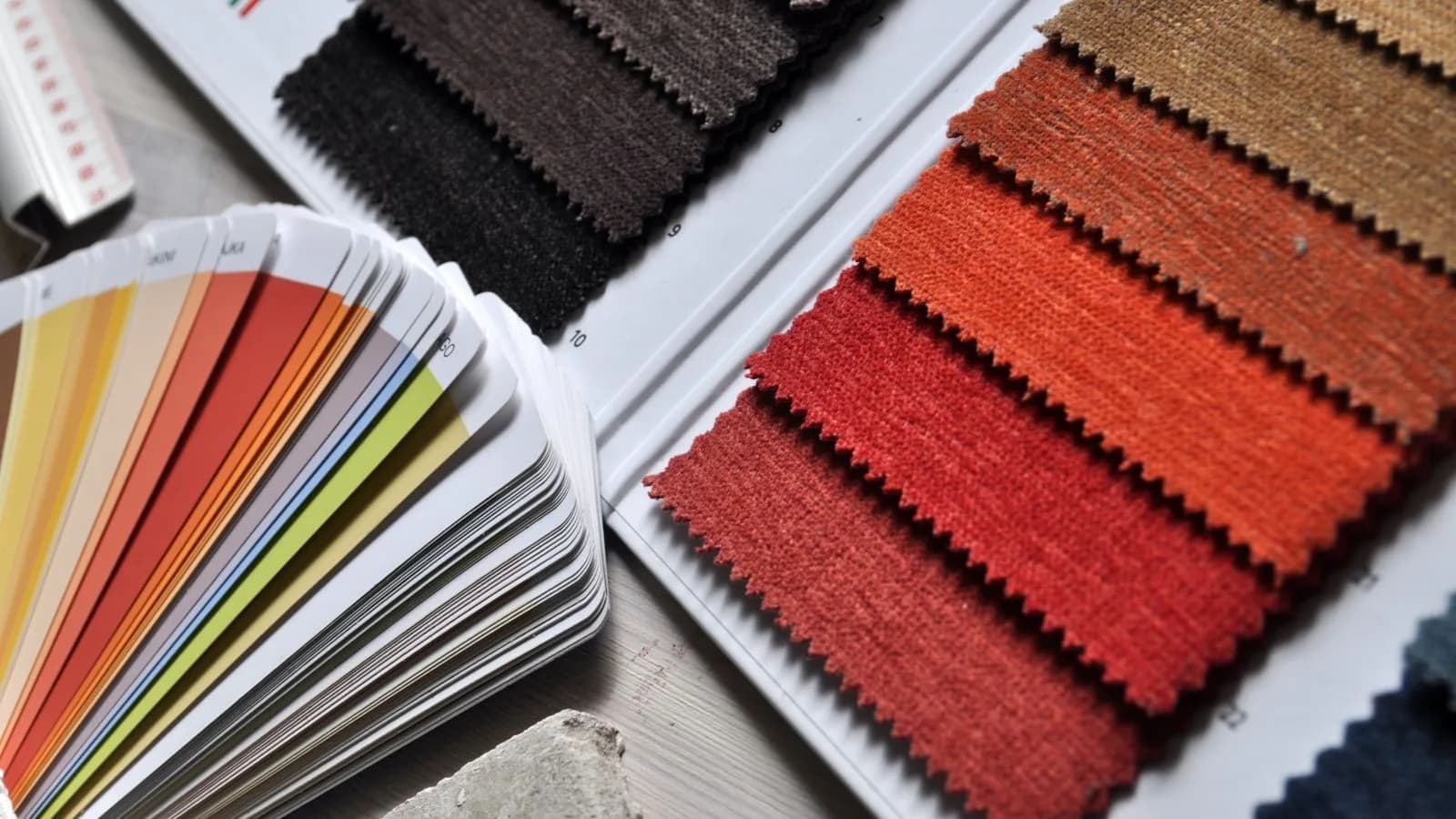
Scarves and shawls are fashion e-commerce''s most particular product group: the product is almost entirely pattern and color. Customers know the tone, the border motif and the sheen by heart, and they catch the slightest difference between the screen and the box. So scarf photography has one master rule: pattern and color must match reality exactly. Everything else arranges itself around that rule.
Color and pattern accuracy: non-negotiable
- Lock white balance and shoot the whole series under the same light; tonal drift within a series shows immediately on the collection page.
- Leave color and contrast alone in editing; compare the screen against the physical product side by side.
- Show the border motif and the center of the pattern in separate, sharp frames; scarf buyers look at exactly those two zones.
- On silk and shimmer weaves, show the sheen without blowing it out: a wide soft light, shot at a slight angle.
Three presentations, three different jobs
1. The flat frame: an ironed, symmetrical, open frame showing the entire pattern. Mandatory for the catalog; nowhere else does the customer see the whole design. Keep edges straight and let the product fill the frame.
2. The folded or tied frame: a neatly tied or folded presentation gives volume and texture. A head form or a clean folding scheme is enough. This frame is the first answer to "how will it sit when worn".
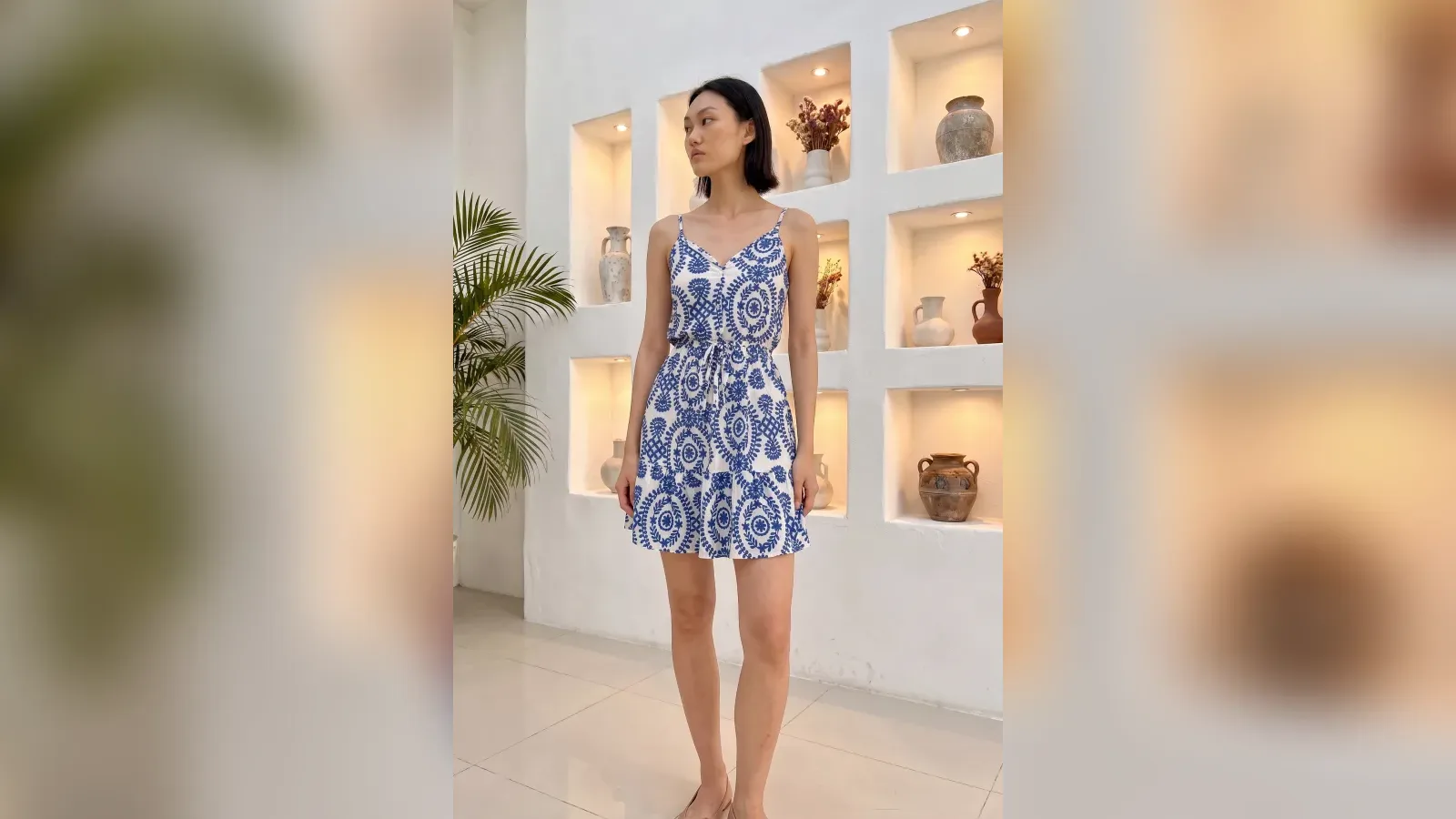
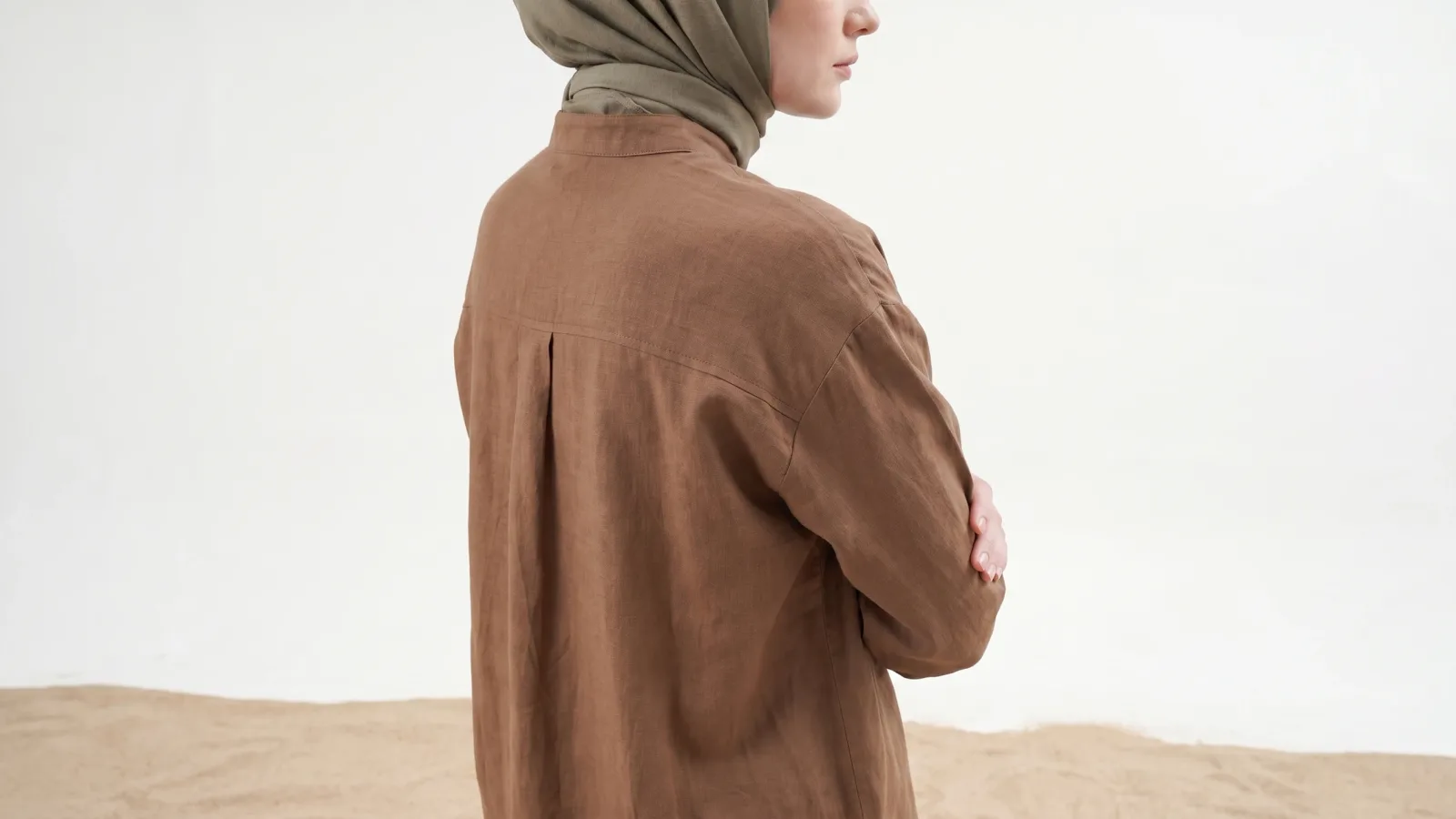
3. On-model: the true selling frame. How the scarf frames the face and how its tone sits with skin and outfit only read on a model. If booking one per series is impractical, an AI virtual model is especially strong here; in systems trained for modest wear, the wrap style and pattern survive intact. The full category logic is in the modest fashion photography guide.
The pairing frame: never leave a scarf alone
A scarf is bought as part of an outfit. Pair a patterned scarf with a plain dress or abaya and answer the customer''s "what colors do I wear this with" question. Keep the balance: the rest of the outfit stays plain, the scarf stays the star. The same scarf shown in two or three pairings enriches the product page and doubles as social content; the strategy side is in the Instagram selling guide.
Series efficiency: dozens of patterns, one setup
Scarf sellers rarely work with one design; they work with dozens. The secret to throughput is a fixed setup: same light, same framing, same folding scheme; only the pattern changes. That speeds the shoot and gives the collection page catalog discipline. For color-variant series, shooting the master pattern and generating AI color variants is possible too; on pattern-critical products, always compare the output against the original before publishing.
The technical checklist
- Steamed and wrinkle-free in the flat frame.
- White balance locked; tone consistent across the series.
- Three frames done: full pattern, border, texture close-up.
- Folded and on-model frames present.
- The pairing frame built with plain garments.
- A plain-backdrop marketplace set taken separately (rules).
Trust in scarf selling is built on honest pattern presentation. If the color is exact, the pattern sharp and the worn look visible, customers order in comfort; when they do not, the cause is almost always one of those three missing.
Frequently Asked Questions
What matters most in scarf photography?+
Color and pattern accuracy. A scarf is almost entirely pattern and color, and customers notice the slightest shift. A locked white balance and color-untouched editing are the non-negotiable rules.
How should a scarf be presented: flat or tied?+
All three ways: a flat frame showing the whole pattern, a folded or tied frame for volume, and the on-model frame that actually sells. Each answers a different customer question.
How do I shoot dozens of patterns efficiently?+
A fixed setup: identical light, framing and folding scheme with only the pattern changing. It speeds the shoot and gives the collection page catalog discipline.
Can AI show a scarf without breaking the pattern?+
In systems trained for modest wear and pattern fidelity, yes; the wrap and the motif survive. On pattern-critical products, still compare the output with the original before publishing.