Evening wear is the hardest class of clothing photography. Satin turns plastic under the wrong light, chiffon looks dead in a static frame, sequins and stones blow out highlights, long skirts fight the frame. And the customer is not buying a need but a moment; the photo''s job is to sell the moment, not just the product. This guide collects the rules specific to evening dresses.
Light: shiny fabric loves a large, soft source
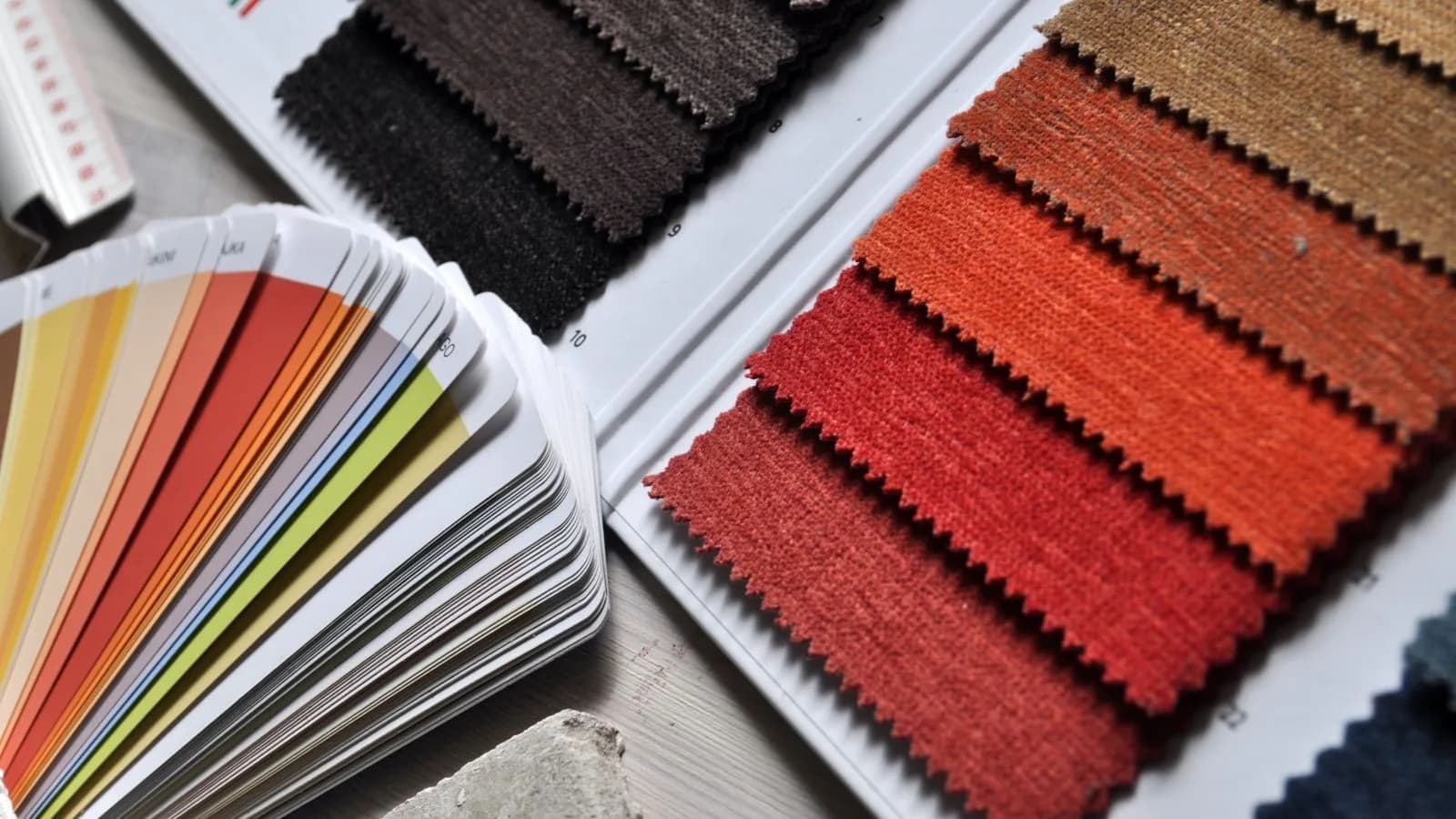
On satin, taffeta and shimmer fabrics, a small hard light makes sharp glare spots. The fix is making the source bigger and softer: a large softbox, light bounced off a white wall, or a wide window. Do not kill the shine entirely; that glow is the fabric''s character. The goal is glare that flows along the fabric instead of sitting on it as spots. On sequins, angle the light slightly from the side so each stone sparkles separately and the texture reads.
With dark dresses (black, midnight blue, burgundy), always keep tonal separation from the backdrop; a dark dress on a dark backdrop collapses into a silhouette. Light gray, cream and dusty pink backdrops push dark gowns forward.
Drape and movement: the real selling frame
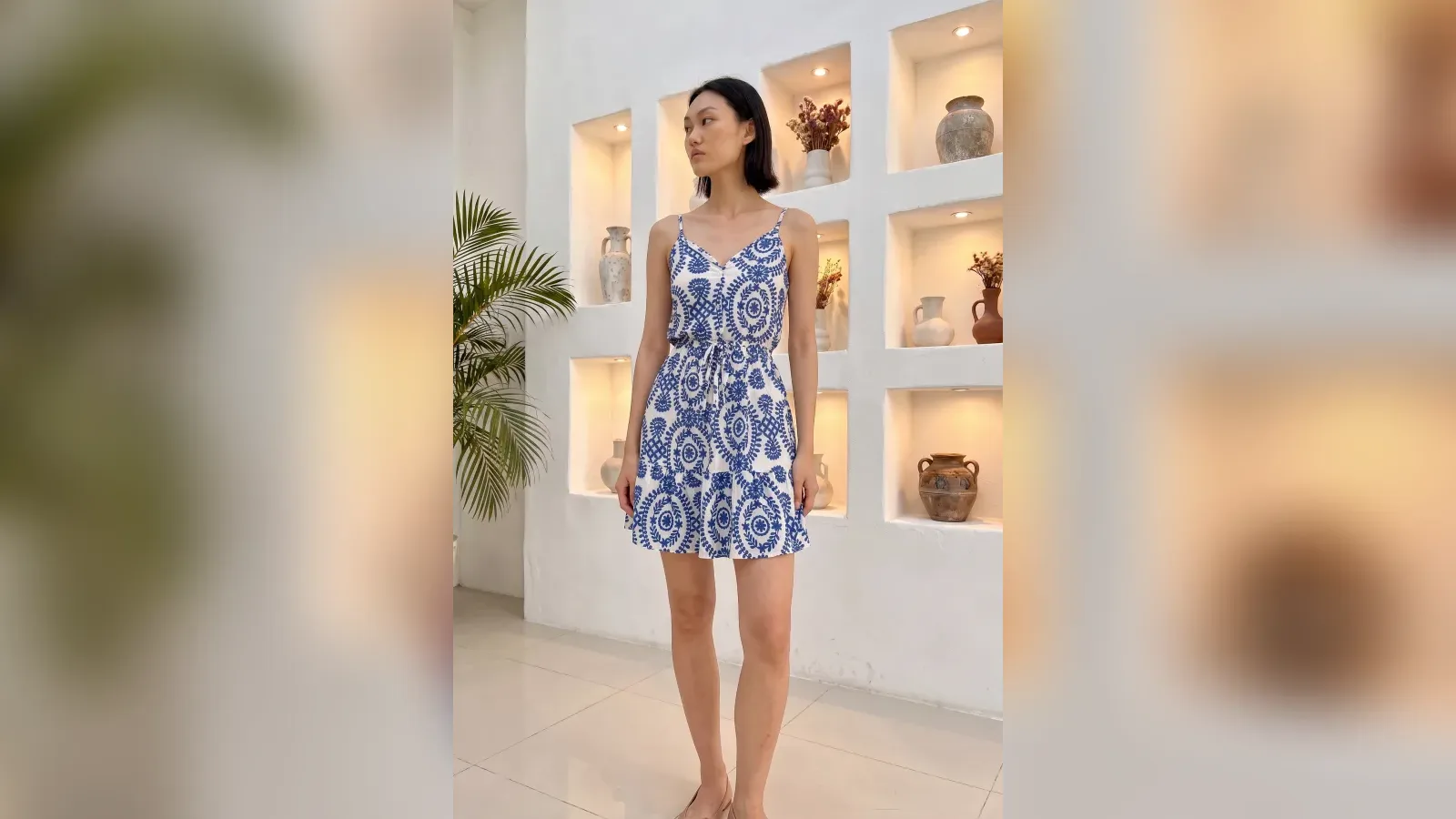
The evening-wear buyer''s question is fixed: how does this sit on me, how does it move when I walk? A static catalog frame cannot answer it. Plan at least one movement frame: the model mid-step, turning, or the skirt in a light swirl. On chiffon and tulle, that single frame outsells ten static ones.
If booking a model for every collection is not realistic, an AI virtual model works here too: skirt drape, waist fit and sleeve structure are shown on a realistic model, with stance and half-turn poses available in the library.
The scene: dim elegance, plain backdrop
Evening wear''s scene diverges from daily wear: a bright home interior makes a gown ordinary. Dim, elegant settings (dark plain backdrops, a single dramatic light, a refined hall, evening exteriors) build the occasion context. The unbreakable rule stands: the scene must never outshine the dress. The general framework is in the scene selection guide.
Selling on marketplaces? Two sets are mandatory: a plain light-background frame for the main image, atmospheric frames for your own site and social. Rules in marketplace image rules.
Details: not negotiable on evening wear
- Stone, sequin and embroidery work must be shown close up; these details justify the price.
- Lining and inner structure: gown buyers ask about lining; answer it in a frame or the description.
- Back and neckline structure: the classic gown return is the surprise neckline; the back angle is mandatory.
- Zipper and closure close-ups build trust.
Notes for modest evening wear
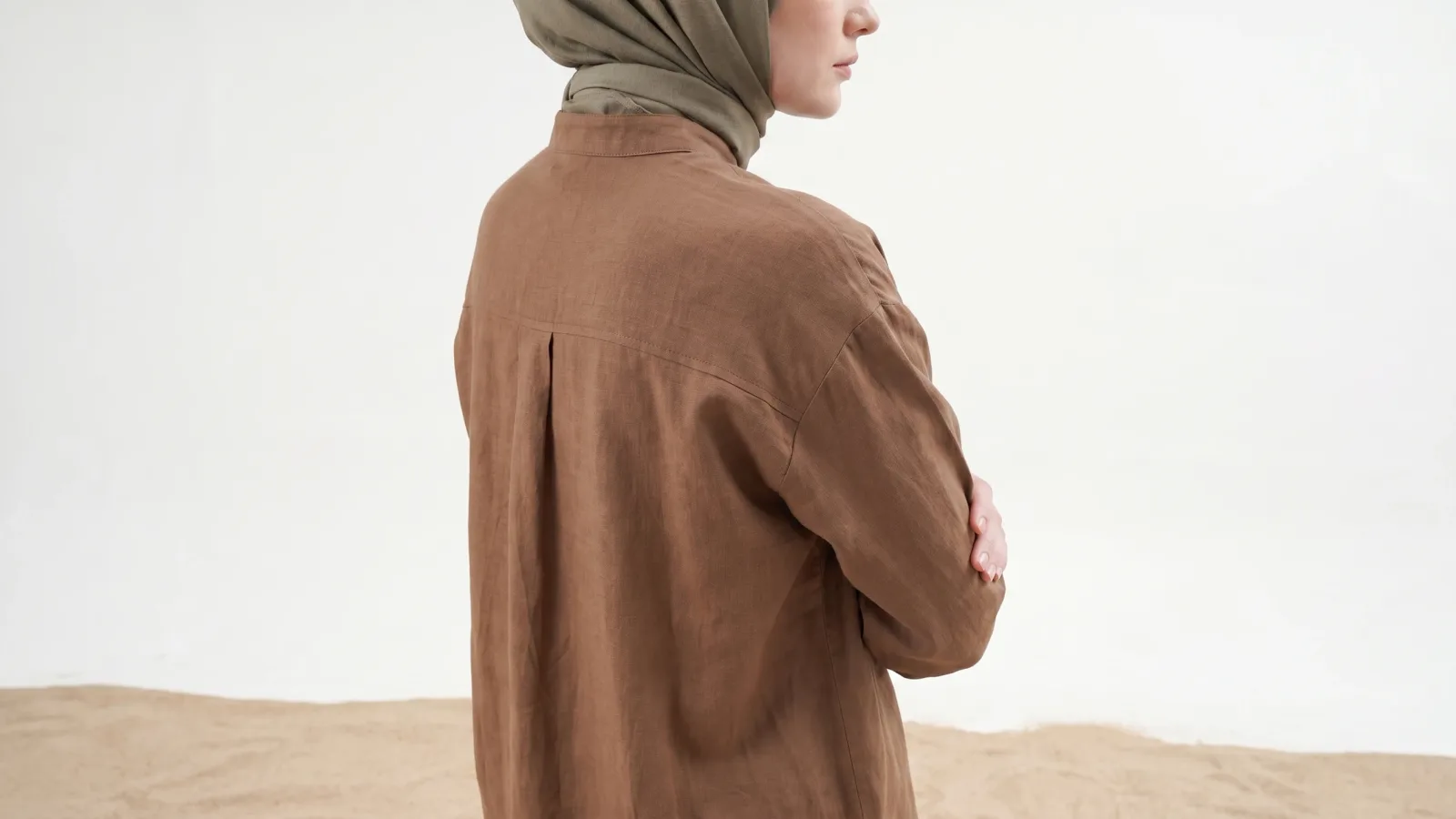
In modest evening wear, coverage rules come before detail frames: sleeve length, neckline closure and hem length must read clearly from every angle, and the suggested scarf should be plain and matched. The drape frame matters even more here, because in covered cuts the silhouette reads entirely through fabric flow. The category''s full logic is in the modest fashion photography guide.
Shoot-day checklist
- Steamed? Wrinkles directly cut the perceived price of a gown.
- Light source large and soft; glare flowing, not spotting?
- A movement/drape frame in the plan?
- Back angle and craftsmanship details captured?
- The plain-backdrop marketplace set taken separately?
Evening wear demands care, but the formula is fixed: large soft light, a plain scene with tonal separation, at least one movement frame, and details that speak for the craftsmanship. Put those four together and the gown looks on the page the way it will at the event.
Frequently Asked Questions
How do I control glare on satin dresses?+
Make the light source bigger and softer: a large softbox, wall bounce or a wide window. The goal is not killing the shine but turning sharp spots into a glow that flows along the fabric.
What is the most important frame in gown photography?+
The movement and drape frame: the model mid-step or turning, the skirt in motion. The buyer''s core question is how the dress sits and moves, and static frames cannot answer it.
What backdrop suits evening dresses?+
For dark gowns, light plain backdrops (gray, cream) create tonal separation; atmospheric frames use dim, elegant settings that build the occasion. Marketplace main images still require a plain light background.
Is a model mandatory for evening wear?+
A worn frame is mandatory because drape only reads on a body, but a real model is not: AI virtual models show skirt drape and fit on a realistic model within minutes.